
Echoes of Poetry and Palaces: Tsarskoye Selo in Winter
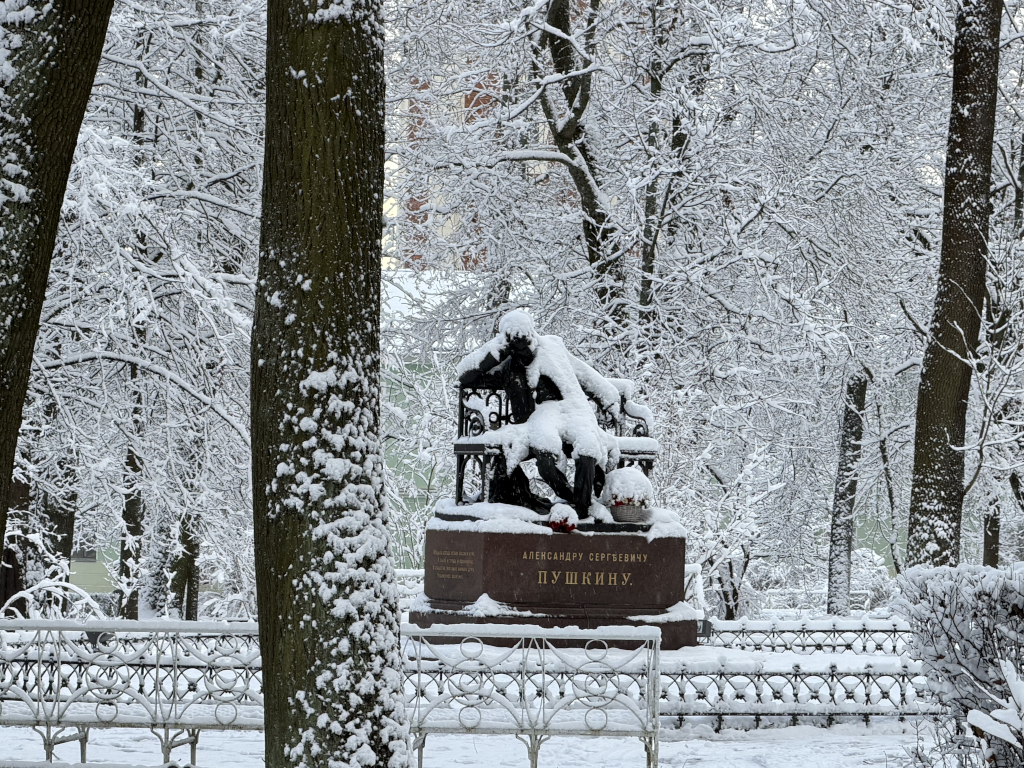
As the first snow of 2025 settled over Tsarskoye Selo, just outside St. Petersburg, I stepped away from the buzz of the city’s industrial exhibition and into a world wrapped in snow and poetry. What began as a planned visit to the Catherine Palace was unexpectedly touched by a snow-draped statue: Alexander Pushkin, seated on a bench, fingers pressed to his forehead as if still lost in thought about the moonlit nights and verses of Tsarskoye Selo. Snow fell thick on his shoulders, as it has for over a century, softening the edges of history and echoing the soul of this land.
Tsarskoye Selo in Snow: The Timeless Splendor of the Catherine Palace
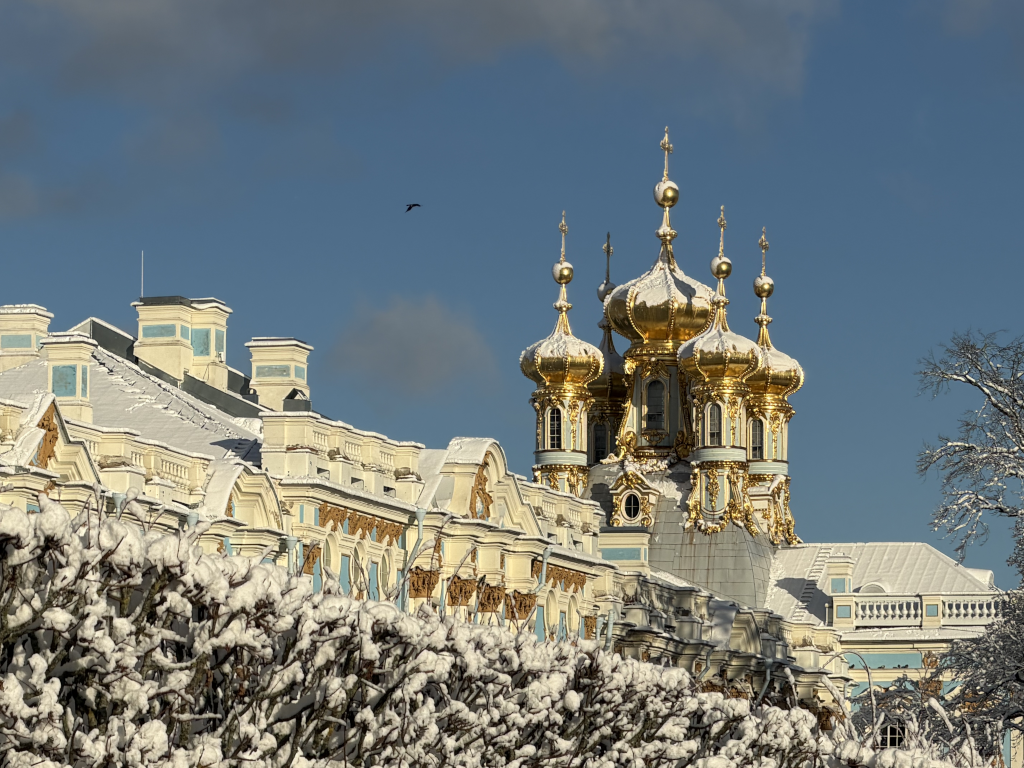
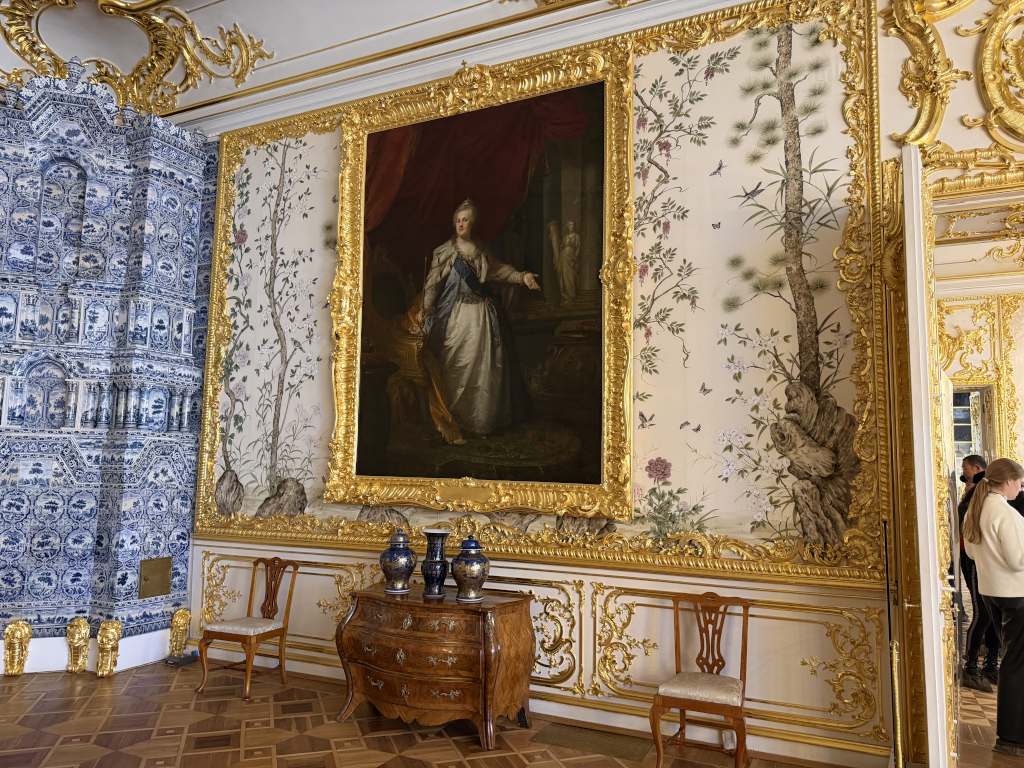
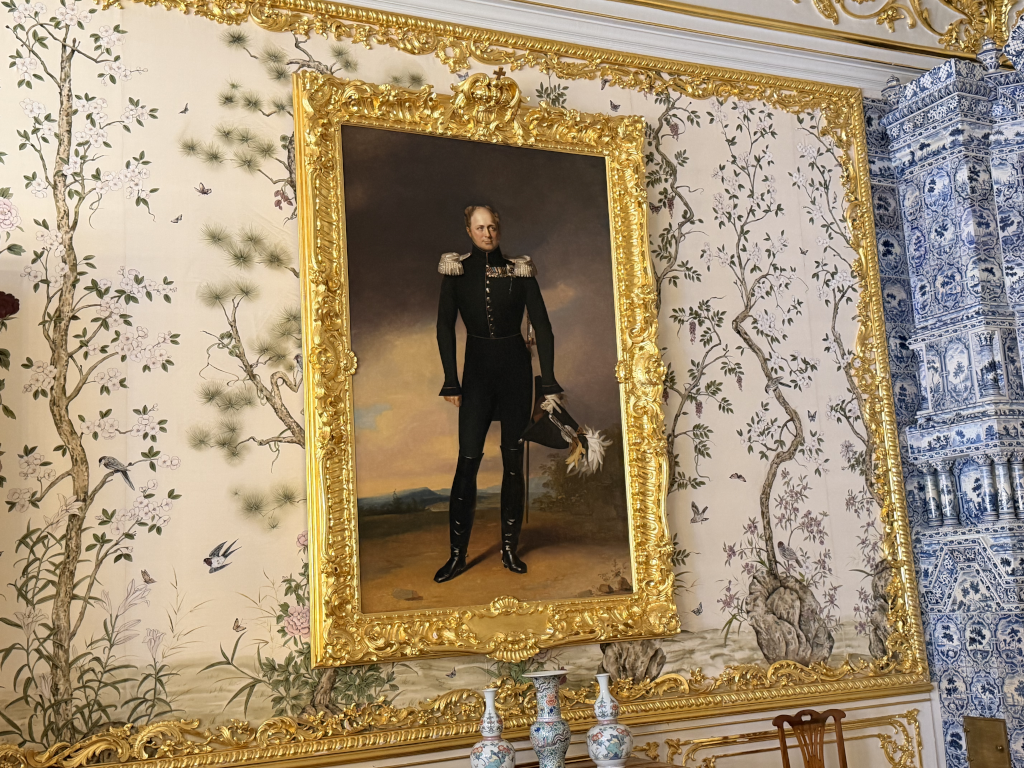
The Catherine Palace, now part of the Pushkin Museum-Reserve, began as a modest country retreat built by Peter the Great for his wife Catherine I, but it bloomed into a pinnacle of Baroque grandeur under successive empresses. Empress Elizabeth adorned its blue-and-white facade with gilded carvings and sprawling gardens, earning it comparisons to the “Northern Versailles.” Later, Catherine the Great added neoclassical elegance, weaving the palace and its grounds into a tapestry of imperial ambition and refined taste.
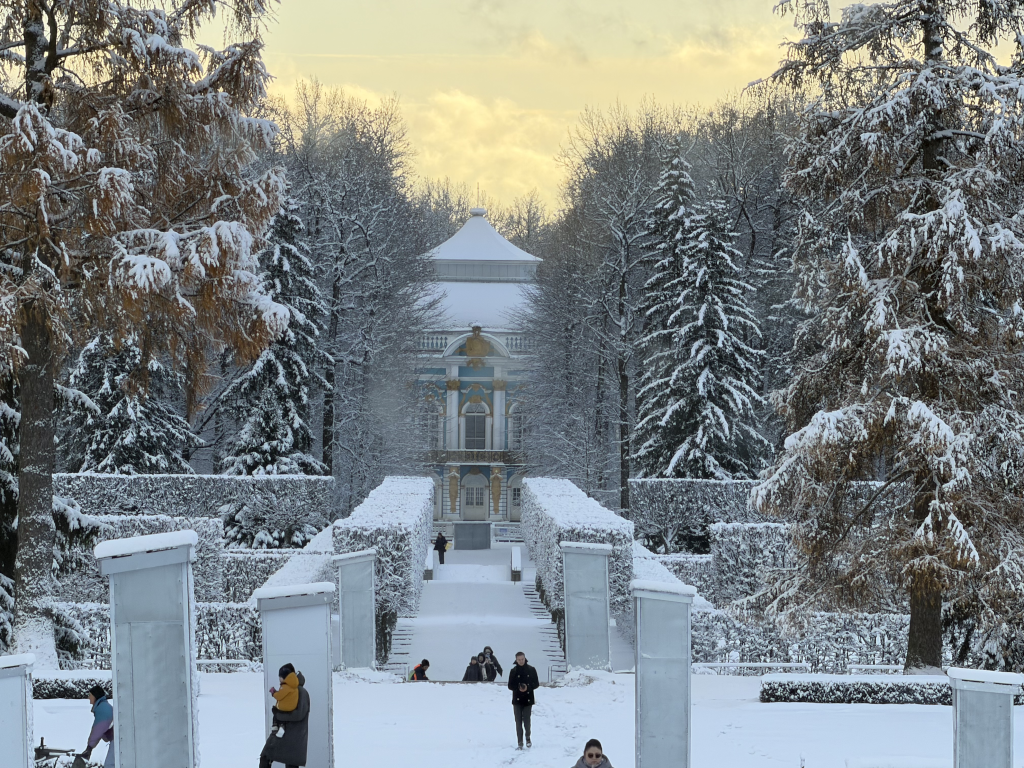
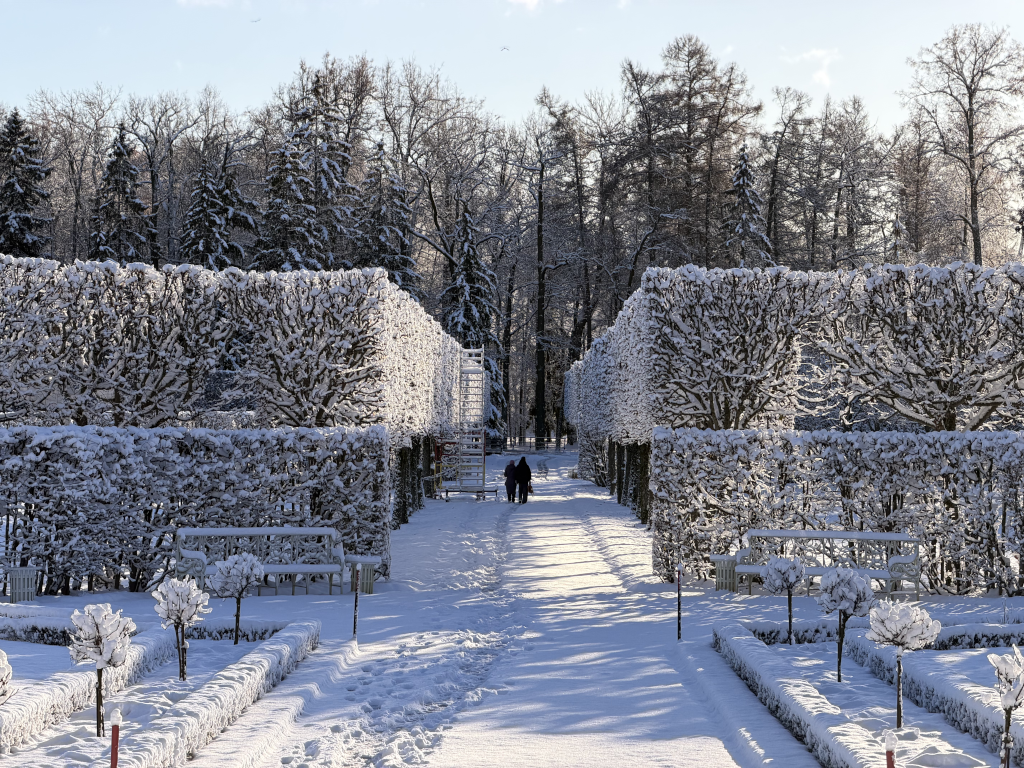
Standing in the snow, I watched flakes settle on the palace’s pastel walls, on the neatly trimmed hedges of the formal gardens, and just outside the legendary Amber Room. The sun broke through the clouds, gilding the snow, and the distant pavilions blurred into the wintry haze—like stepping into an 18th-century painting. This palace hosted royal banquets and imperial intrigue, but it also nurtured a young poet’s imagination. It was in these royal gardens, at dawn and dusk, that the soul of Russian literature began to take shape.
The Seated Thinker: Pushkin’s Unbreakable Bond with Tsarskoye Selo
What makes Tsarskoye Selo unforgettable is not just the palace’s luxury, but its place in Alexander Pushkin’s story. At 12, Pushkin entered the Tsarskoye Selo Lyceum in 1811, spending six formative years here. He wandered the gardens, read on the benches, and wrote his first verses in the snow. Tsarskoye Selo’s seasons became his muse, inspiring Recollections of Tsarskoye Selo and odes to freedom and love that would define his legacy. It was here that the boy grew into Russia’s literary “Sun.”
Today, along the path to the Catherine Palace, Pushkin’s statue still sits in quiet contemplation. Snow blankets his coat but not the thoughtfulness in his gaze—perhaps still savoring the Lyceum’s lessons, or crafting lines that would outlive empires. He is long gone, but his poetry and name are woven into the fabric of Tsarskoye Selo. Every visitor hears his verses echo in the wind off the snow.
Where Industrial Progress Meets the Soil of Poetry
The journey from St. Petersburg’s industrial exhibition to Tsarskoye Selo is just a short drive, but it feels like crossing into two worlds: one of modern precision and machinery, the other of centuries-old palaces and quiet verse. Yet they are not opposites. Pushkin’s poetry brims with both calls for freedom and love for his homeland; this city holds both imperial history and modern vitality.
The snow kept falling, blurring the lines between the statue and the palace spires in the distance. Tsarskoye Selo is no mere palace—it is a testament to history, a vessel for poetry, and a cornerstone of a nation’s spirit. And Pushkin? He is not just a poet of the past. He is part of Tsarskoye Selo, part of Russia, and a soft touch in every visitor’s heart.
As I left, I glanced back at the statue in the snow. He was still there, thinking, as the snow fell. The stories of this land are like Tsarskoye Selo’s snow—falling, melting, and falling again—but the verses, the palaces, and the echoes of the ages never fade.